


𝗩𝗶𝗻𝘁𝗮𝗴𝗲 𝟯-𝗣𝗮𝗿𝘁 𝗕𝘂𝗿𝗺𝗲𝘀𝗲 𝗧𝗮𝘁𝘁𝗼𝗼 𝗧𝗮𝗽𝗽𝗲𝗿 𝗦𝗲𝘁 – 𝗧𝗿𝗮𝗱𝗶𝘁𝗶𝗼𝗻𝗮𝗹 𝗛𝗮𝗻𝗱-𝗧𝗮𝗽𝗽𝗶𝗻𝗴 𝗧𝗮𝘁𝘁𝗼𝗼 𝗧𝗼𝗼𝗹
𝗩𝗶𝗻𝘁𝗮𝗴𝗲 𝟯-𝗣𝗮𝗿𝘁 𝗕𝘂𝗿𝗺𝗲𝘀𝗲 𝗧𝗮𝘁𝘁𝗼𝗼 𝗧𝗮𝗽𝗽𝗲𝗿 𝗦𝗲𝘁 – 𝗧𝗿𝗮𝗱𝗶𝘁𝗶𝗼𝗻𝗮𝗹 𝗛𝗮𝗻𝗱-𝗧𝗮𝗽𝗽𝗶𝗻𝗴 𝗧𝗮𝘁𝘁𝗼𝗼 𝗧𝗼𝗼𝗹
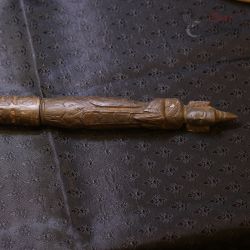
A rare traditional tattoo tapping instrument originating from Myanmar (historically known as Burma). This authentic three-part tattoo tapper represents the historic hand-tapping technique used for centuries across mainland Southeast Asia before the introduction of modern electric tattoo machines.
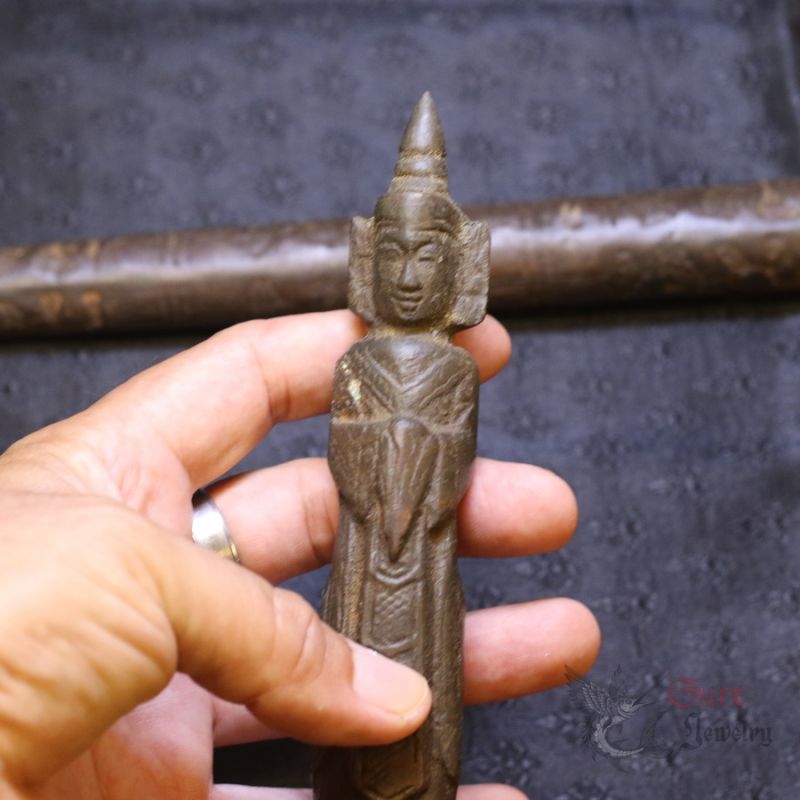
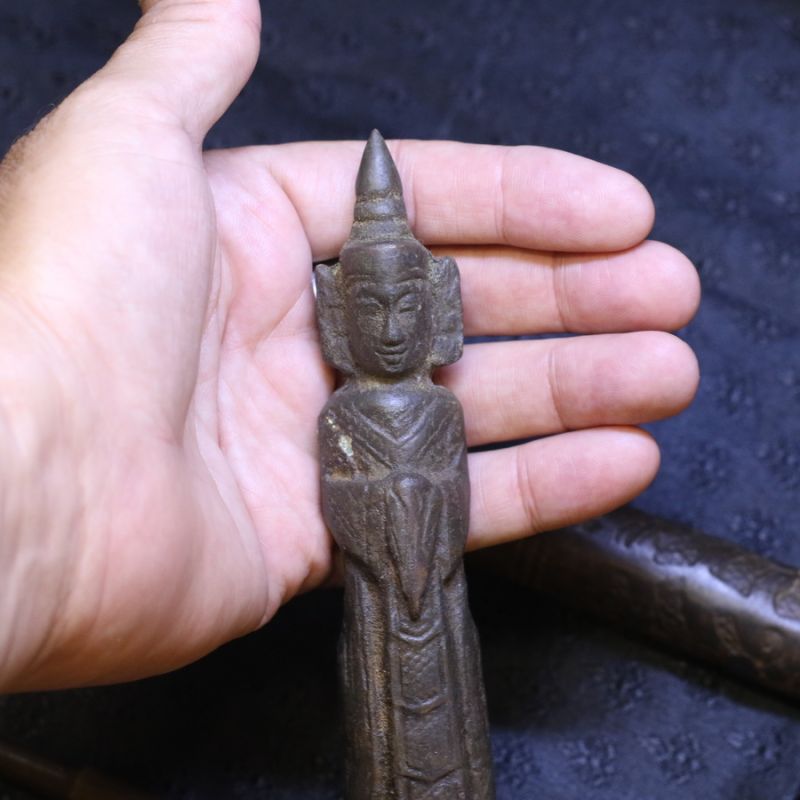
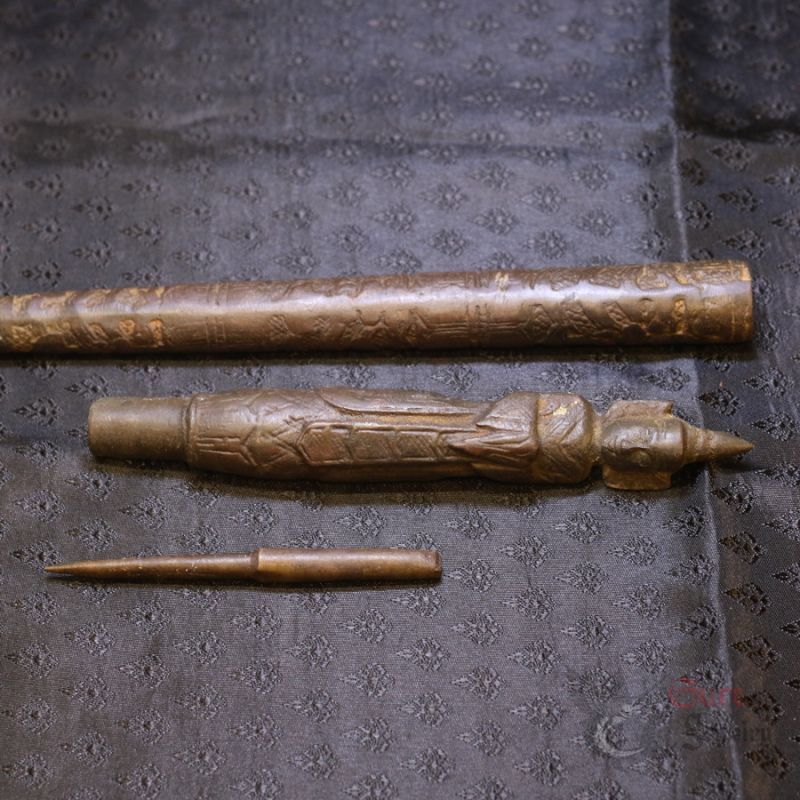
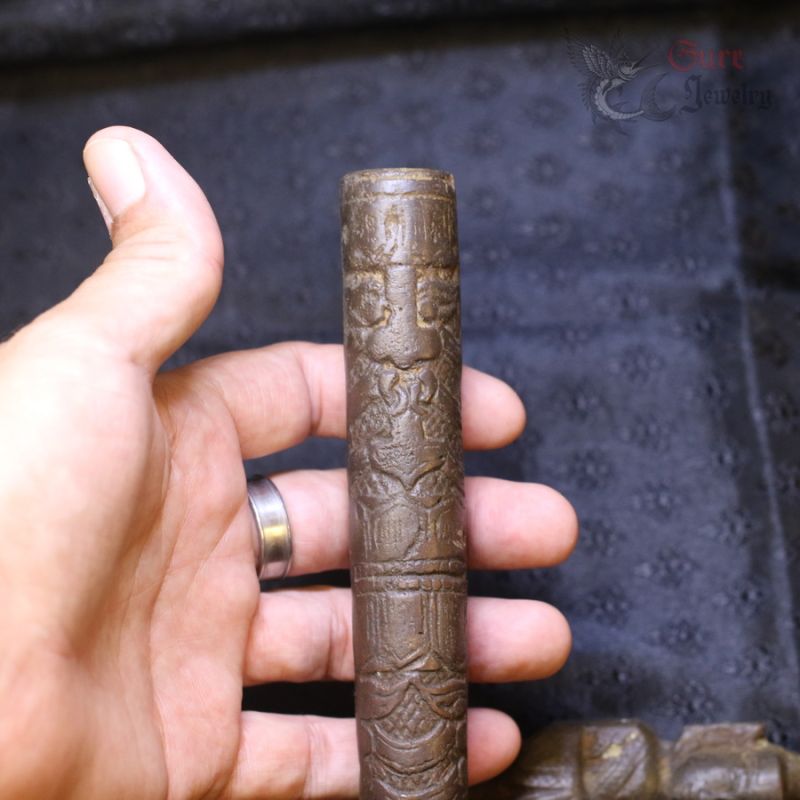
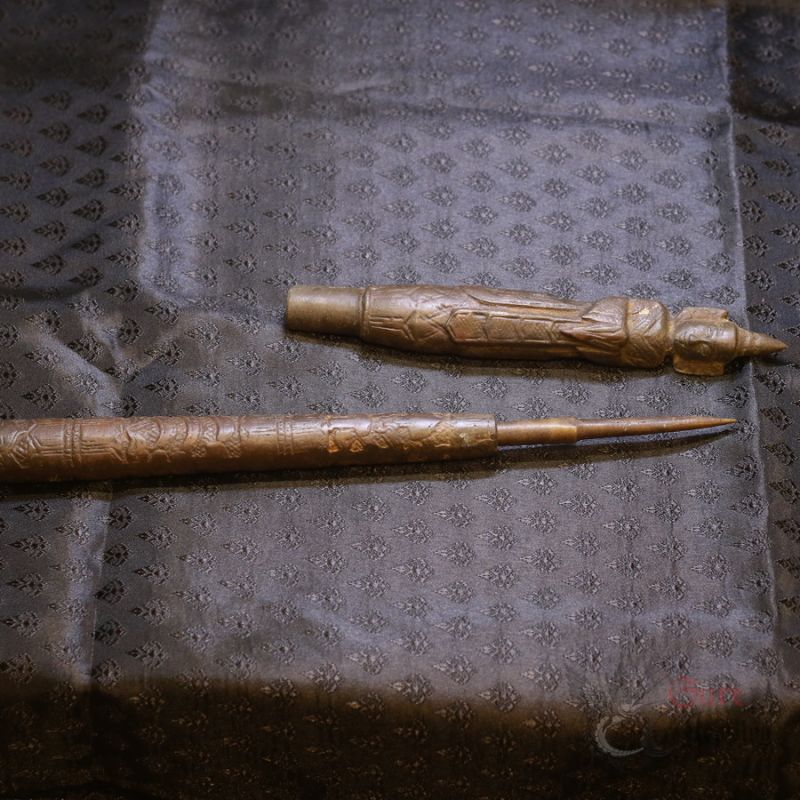
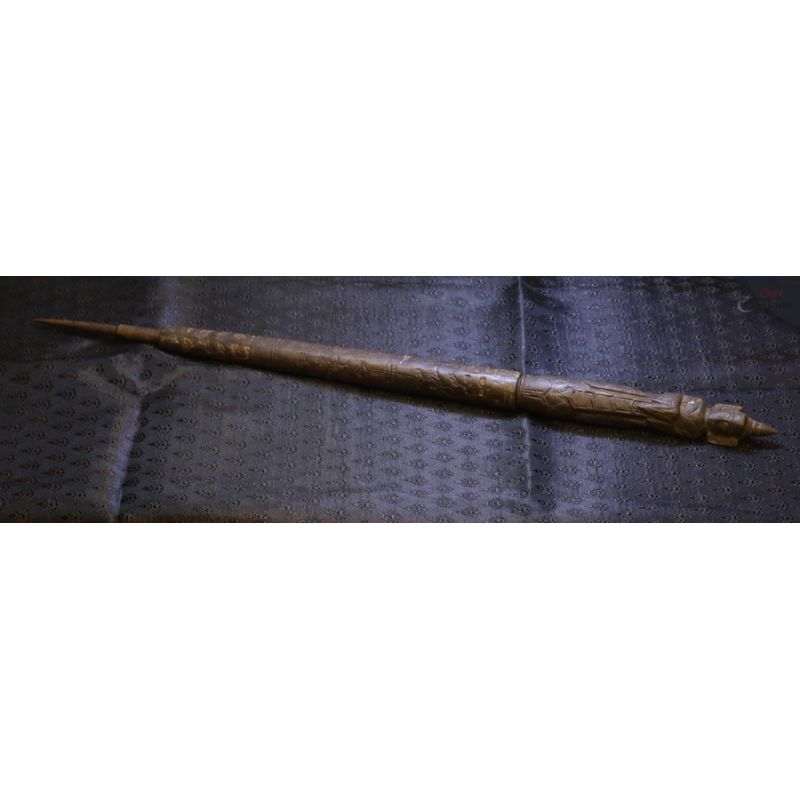
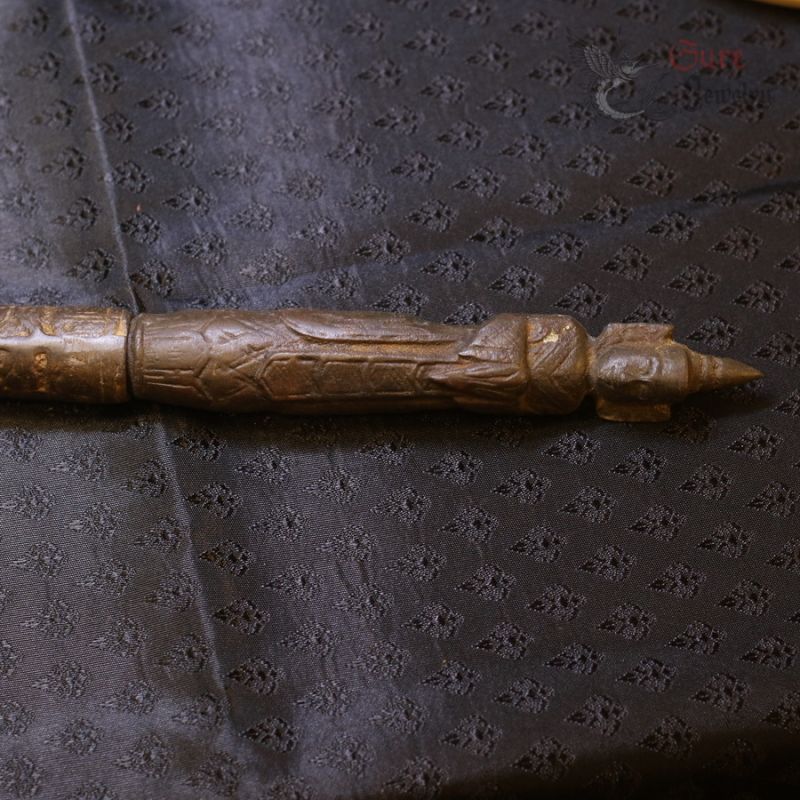
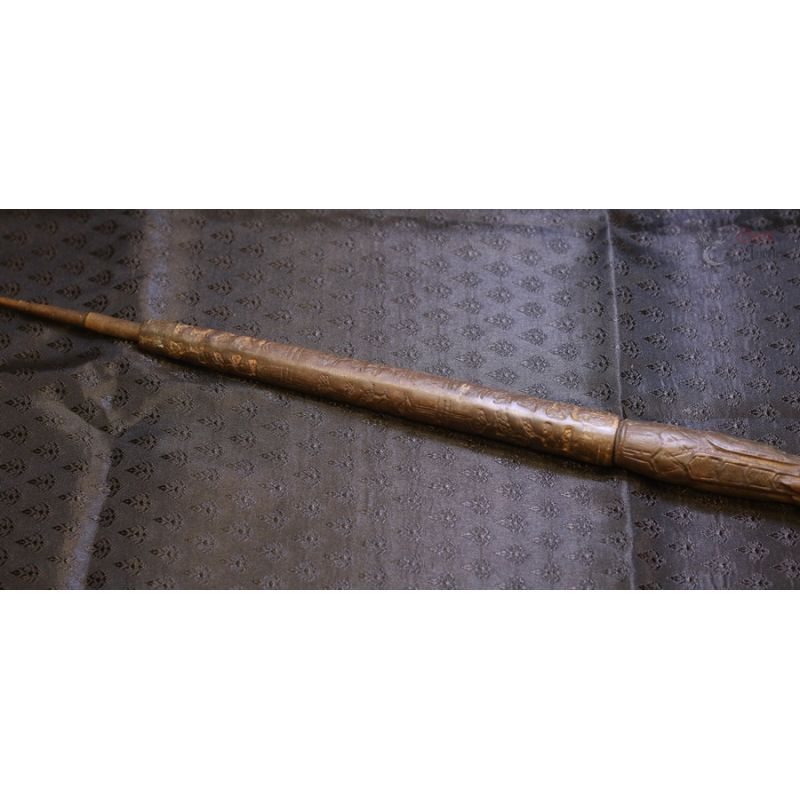
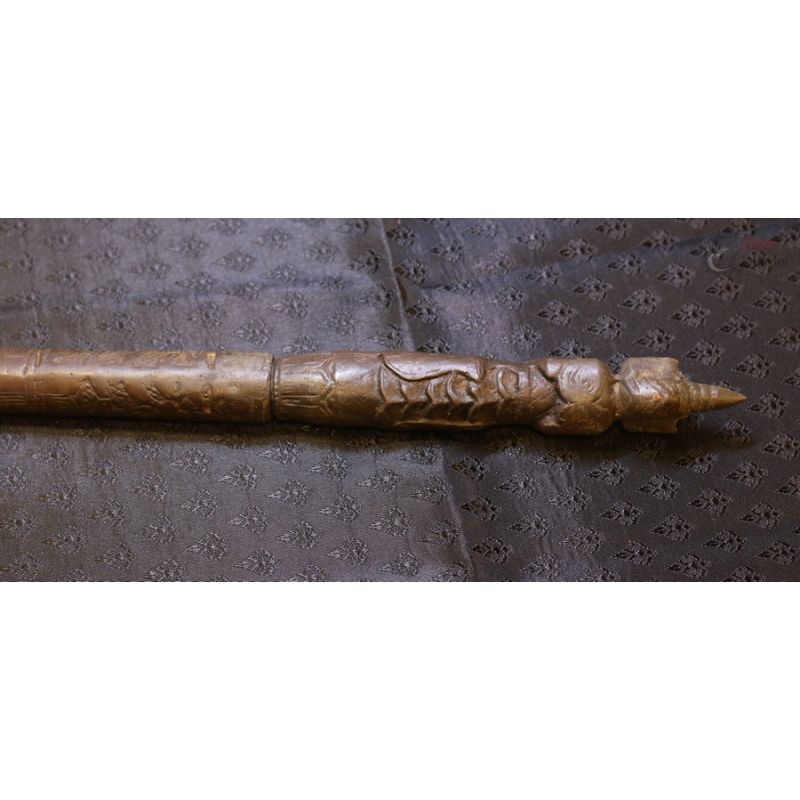
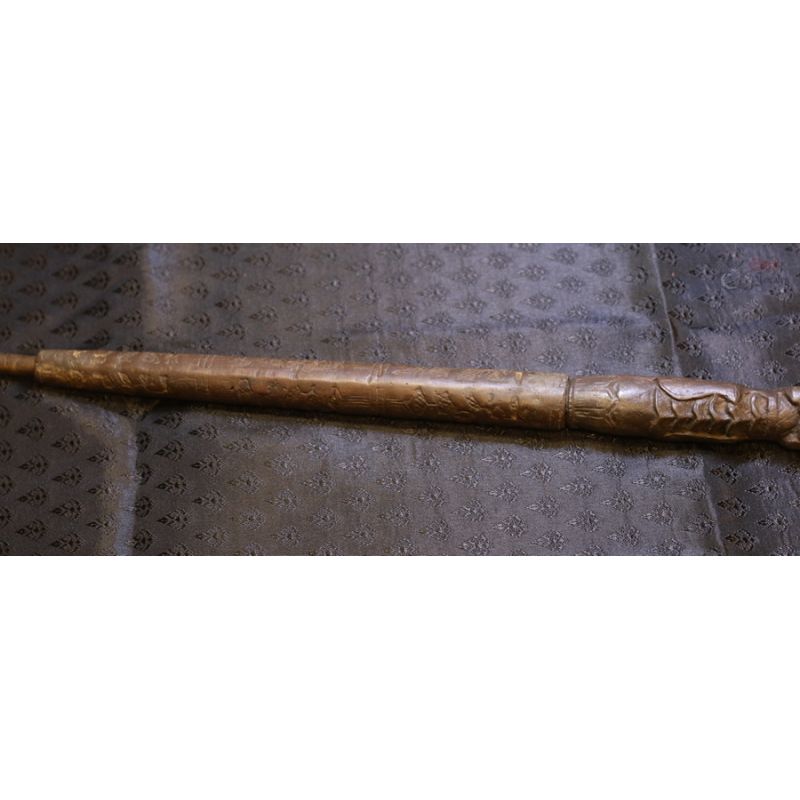
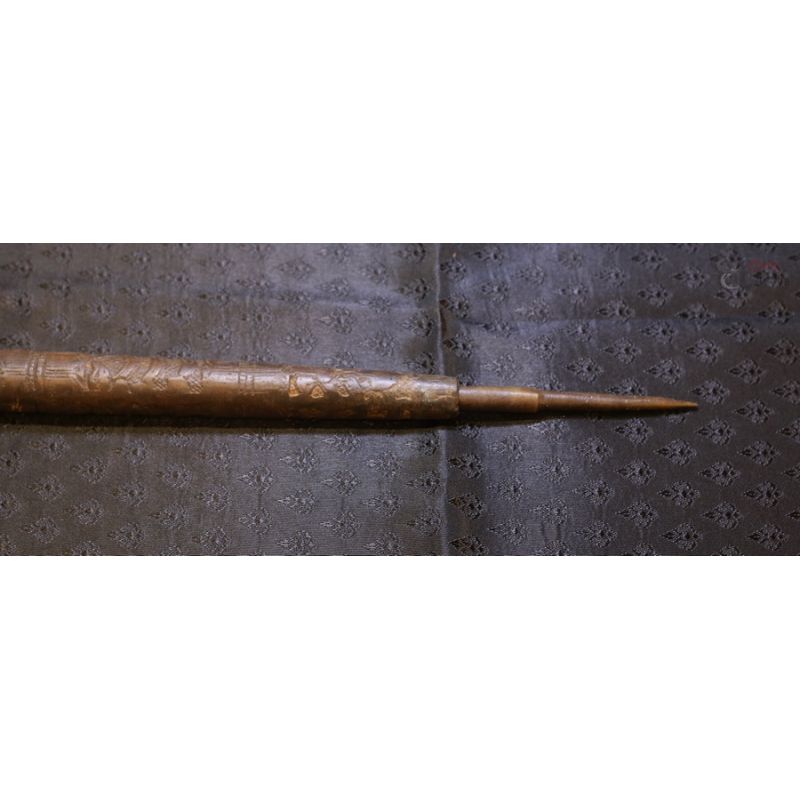
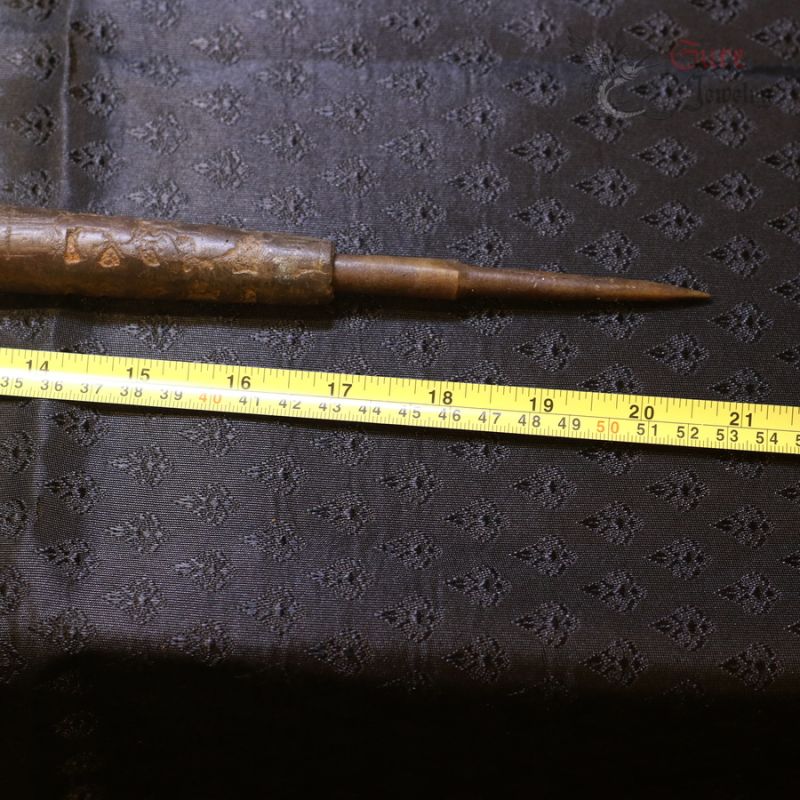
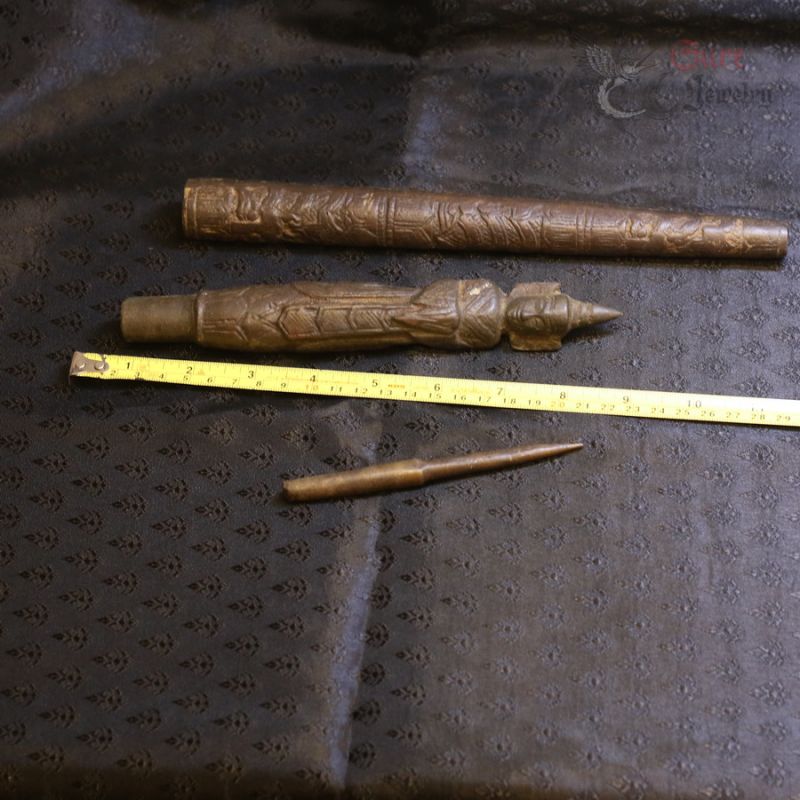
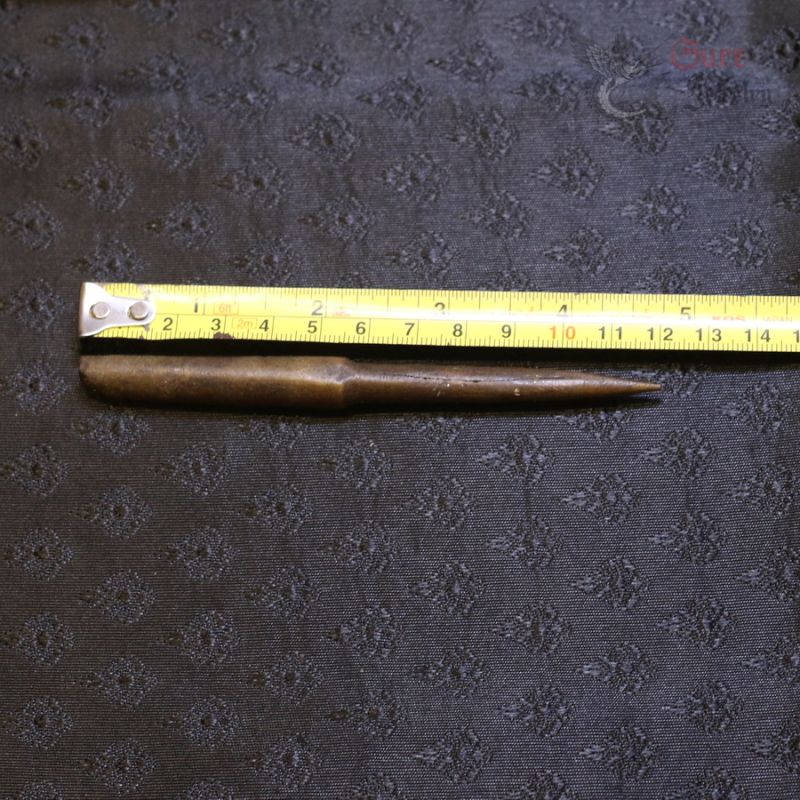
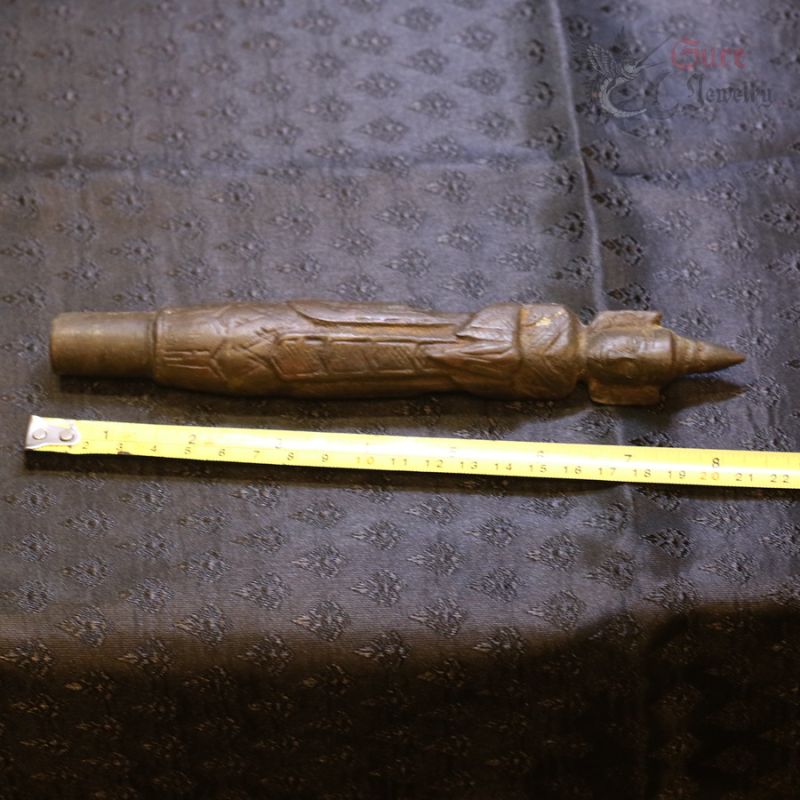
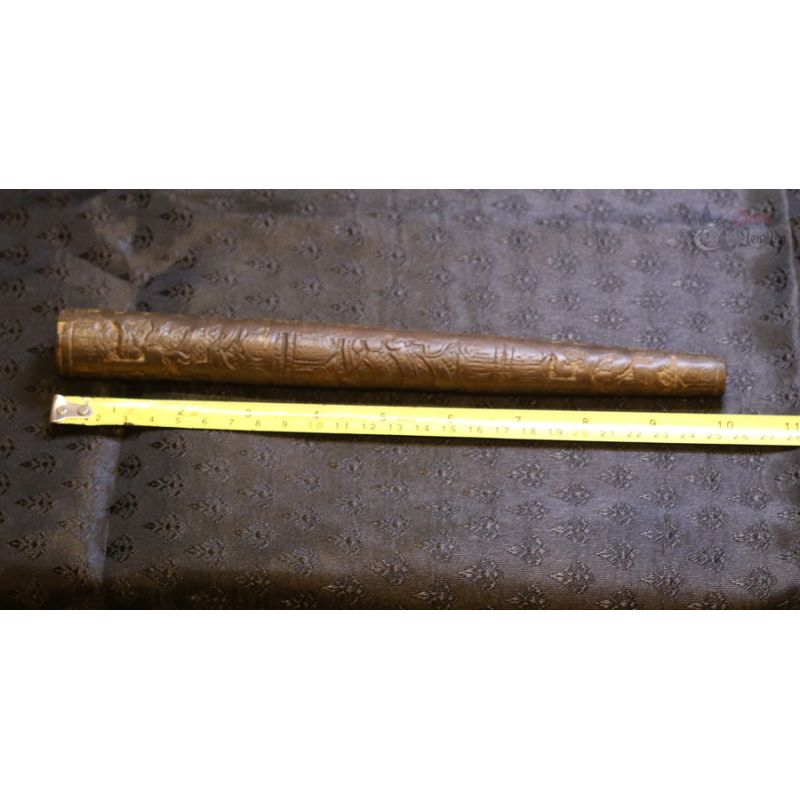
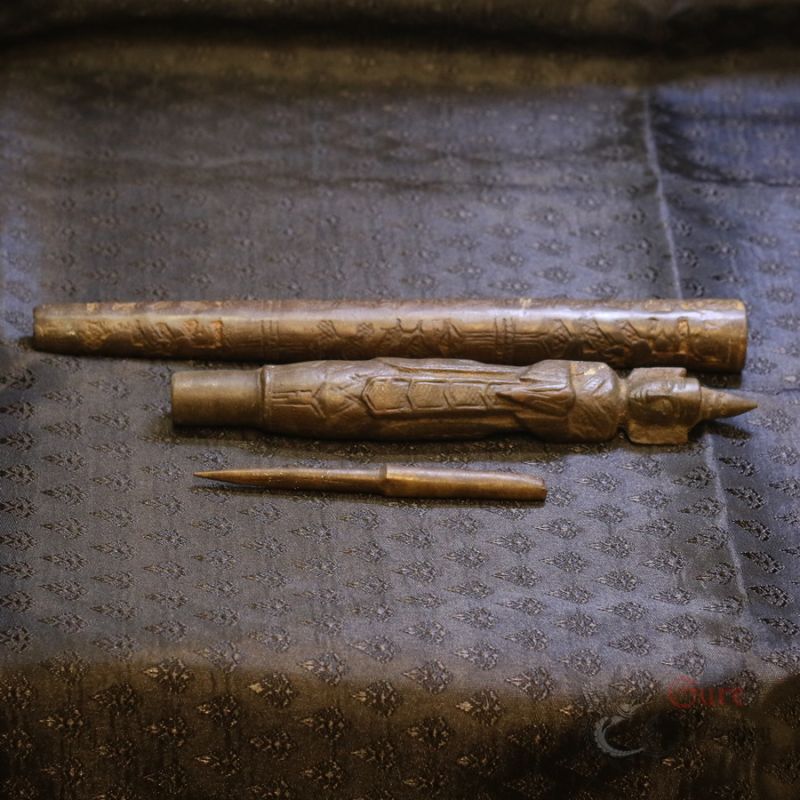
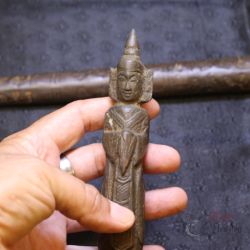
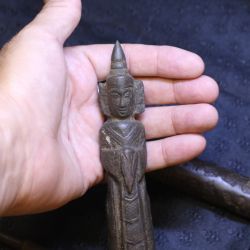
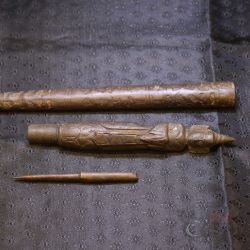
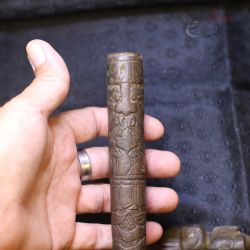
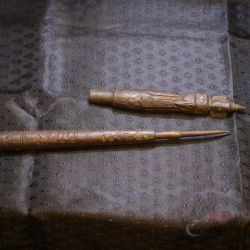
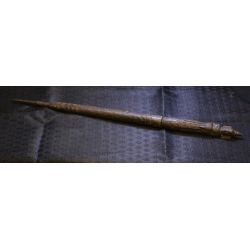
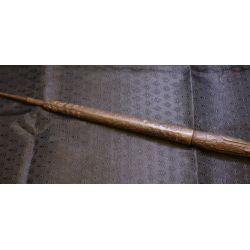
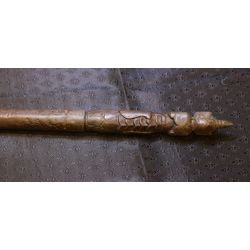
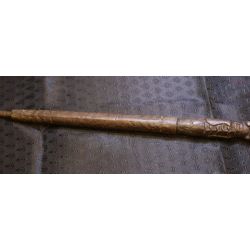
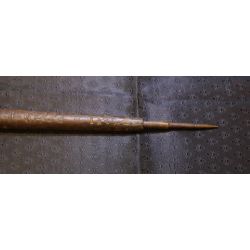
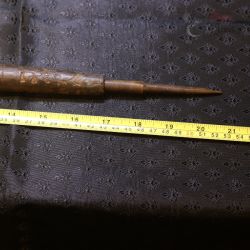
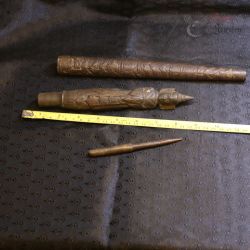
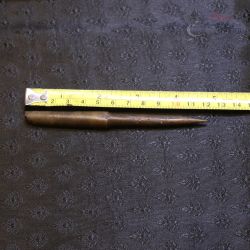
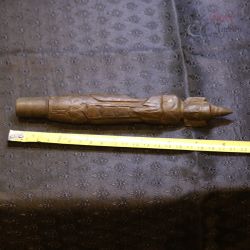
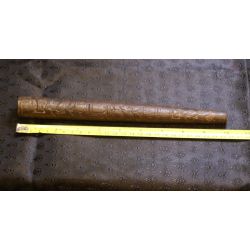
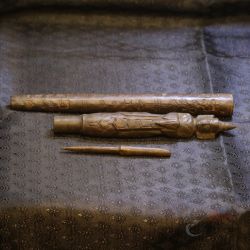
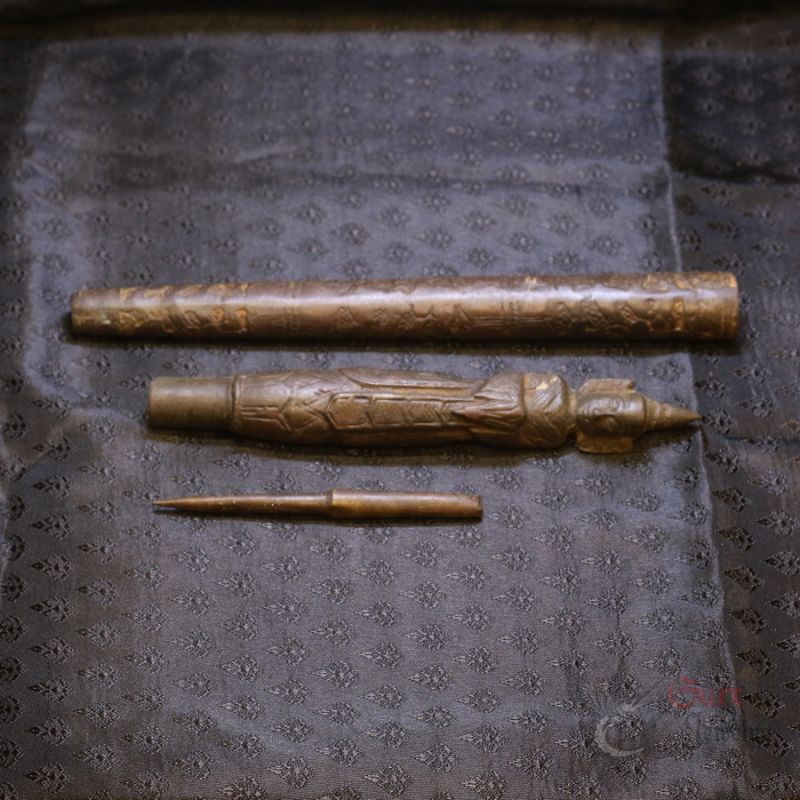
The set consists of three separate components: a carved figurative handle, a long cylindrical extension tube, and a needle stylus shaft. When assembled, the pieces form a long tapping instrument used by traditional tattoo masters. The weighted handle, featuring a symbolic carved figure, helped balance the tool and was sometimes associated with ritual or protective tattoo practices common in Burmese cultural traditions.
Hand-tapped tattoos in Myanmar historically held deep social and spiritual meaning. Among various ethnic communities, tattooing served as a rite of passage, a marker of identity, or a form of spiritual protection. Tattoo masters used tools like this to rhythmically tap the needle into the skin, creating intricate designs that could symbolize strength, protection, or cultural belonging.
Crafted from what appears to be aged brass or bronze, the tool shows a warm patinated surface consistent with long-term use and age. The carved figure and decorative tube reflect traditional artisan workmanship typical of older Southeast Asian tattoo instruments. Such complete three-part sets are increasingly scarce today, as many surviving examples are incomplete or damaged.
This piece remains fully intact and preserved as a complete set, making it both a collectible ethnographic artifact and a fascinating object illustrating the material culture of traditional tattoo practices.
𝗗𝗘𝗧𝗔𝗜𝗟𝗦
Origin: Myanmar (Burma), Southeast Asia
Object Type: Traditional Tattoo Tapping Instrument
Construction: Three detachable parts (handle, extension tube, needle shaft)
Material: Likely brass or bronze with natural aged patina
Technique: Traditional hand-tapping tattoo method
Estimated Period: Mid-20th century or earlier
Cultural Context: Traditional Burmese tattooing practices
Weight: 679 grams
Measurements: L 53 mm | W 30 mm
Condition: Vintage condition, very good for its age. Fully intact three-part set with natural patina from age and use.
Sale: Offered as a complete 3-part tattoo tapper set.
A rare ethnographic object representing the traditional tattooing heritage of Myanmar and the craftsmanship of Southeast Asian ritual tools.
Data sheet